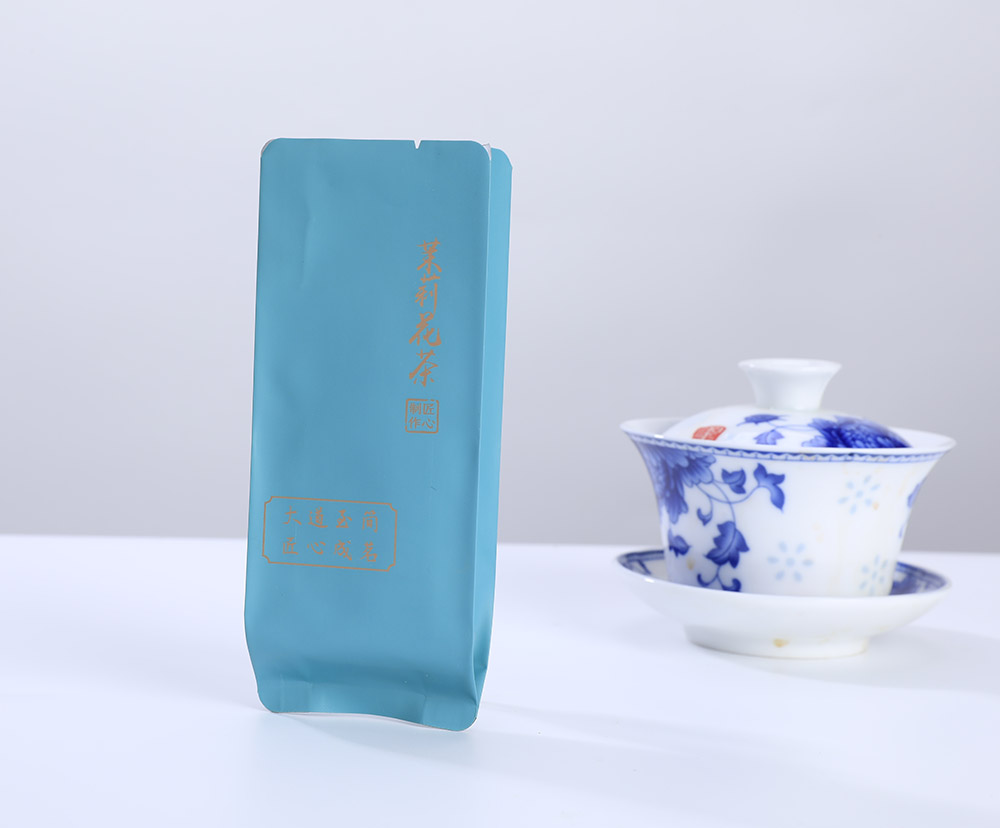
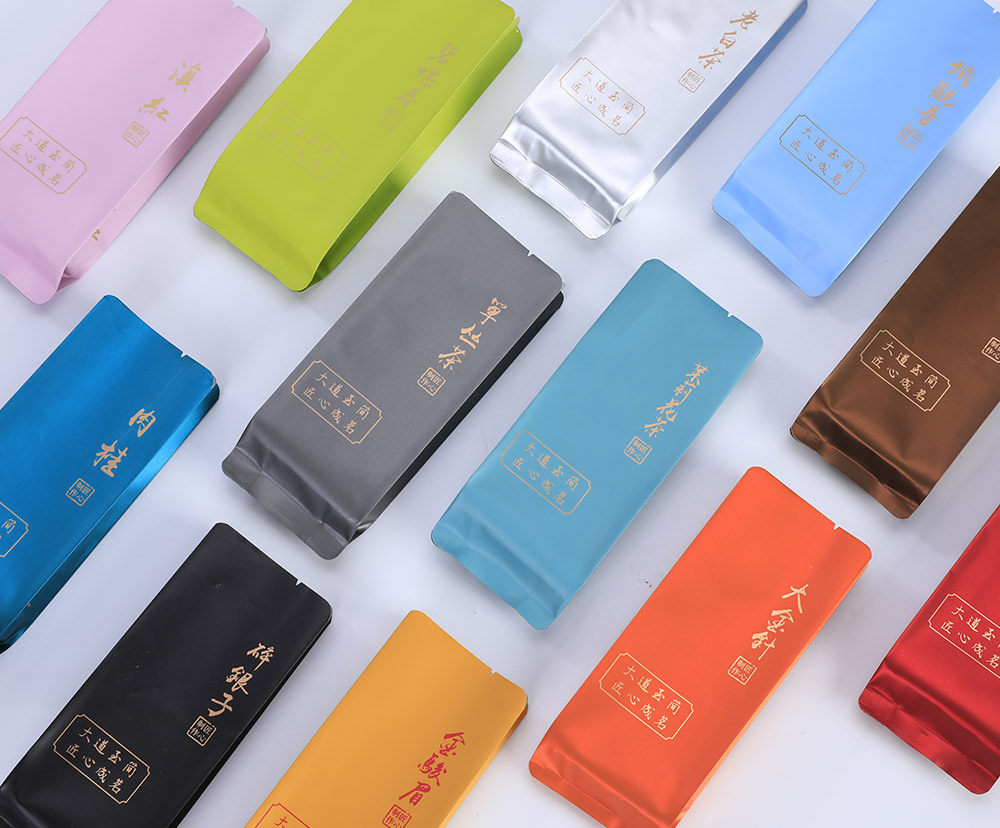
Flat and gusseted bags are the least glamorous part of a flexible packaging range and the part that most often arrives wrong, because the tolerances that matter — gusset depth, seal width, tear position — are specified in millimetres on a drawing nobody updates.
Formats
- Side gusset bag. Coffee and tea, usually with a valve and a tin tie. The gusset depth controls how the bag behaves on the shelf and in the grinder hopper.
- Three-side-seal bag. Flat, high print area, used for samples, sachets, hardware and single-serve portions.
- Back-seal (fin seal) bag. The cheapest bag to make; the seal runs down the back.
- Pillow bag. Formed on the machine from roll stock, sealed top and bottom; the format most snack and frozen lines produce in-house.
- Four-side-seal. Flat with seals on all four edges; the format used where the pack has to sit flat in a carton or a display tray.
Where the specification usually slips
Seal width against fill weight, gusset depth against the packing line, tear notch position against how the consumer actually opens the pack, and the hang hole against the peg the retailer uses. Each is a millimetre decision with a commercial consequence, and each is cheaper to fix on the drawing than on the pallet.
Materials
PET//PE, PET//VMPET//PE, kraft//PE and kraft//AL//PE for the natural-paper look with a real barrier behind it, mono-PE for recycling streams, and paper-based structures where the brand requires a fibre-forward pack.