A stand-up pouch is a structure decision as much as a shape decision. The same silhouette can be a three-layer laminate for a 250 g snack or a retort-grade construction for a 1 kg pet food pack, and the two are not interchangeable.
The four formats, and what they are for
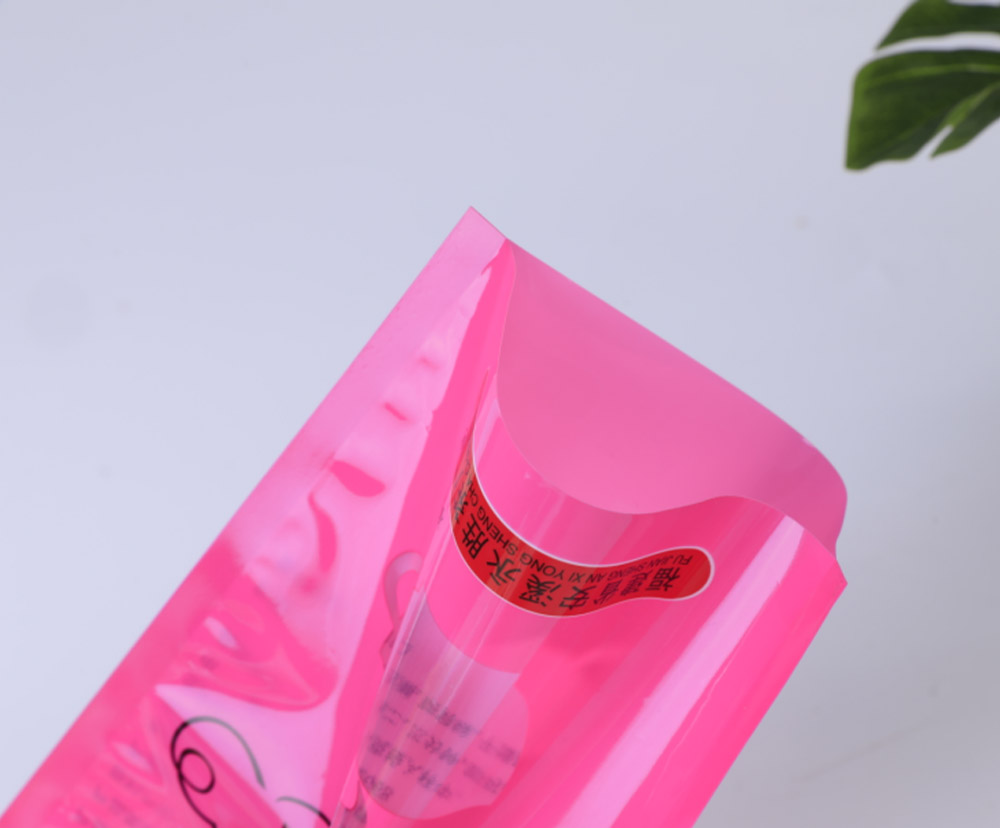
- Doypack / stand-up pouch. The default for coffee, snacks, pet treats and powders. Bottom gusset formed from the same web, so the pack stands without a insert.
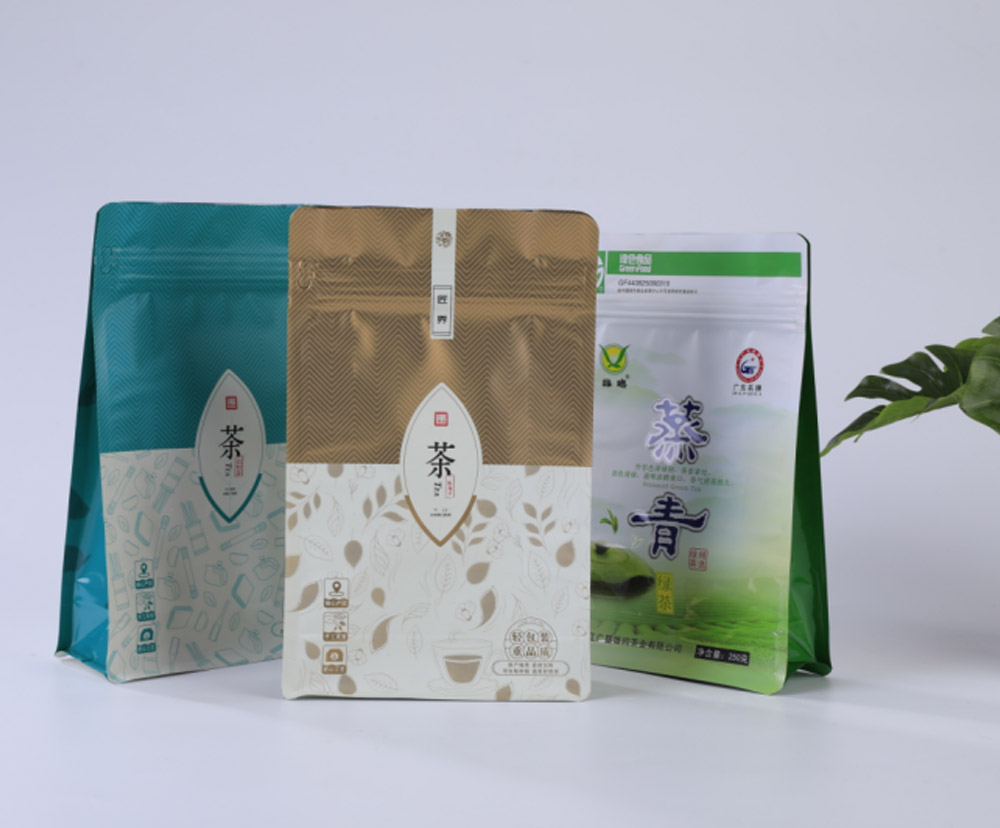
- Flat-bottom (box) pouch. Five printable panels and a genuinely flat base. The premium shelf format; also the most stable on a pallet.
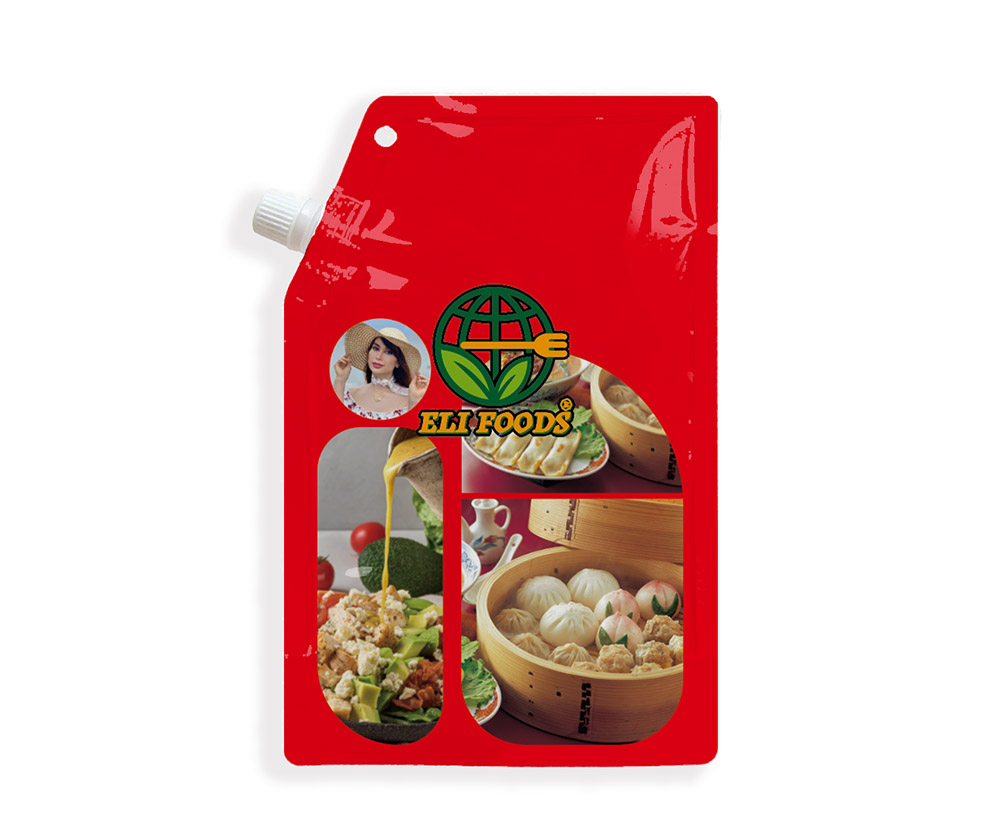
- Spout pouch. A fitment welded into the top seal for liquids, sauces, detergents and baby food. The spout and the seal around it are the failure point, so the fitment and the seal layer have to be specified together.
- Retort pouch. Retort-grade film, retort-grade seal layer, and a seal strength that survives the retort cycle without delaminating.
What decides the structure
Fill weight, product pH and fat content, whether the pack is retort or pasteurised, the drop test the retailer requires, the shelf life and the barrier target. A pouch that passes a drop test at 250 g will not pass it at 1 kg with the same film thickness.
Finishing options
Zipper (press-to-close or slider), degassing valve for coffee, spout fitments, tear notch, hang hole, euro slot, and a wide range of matte, gloss and soft-touch surface finishes. All of them change the web path on the bag-making machine, which is why they are agreed before the print, not after.