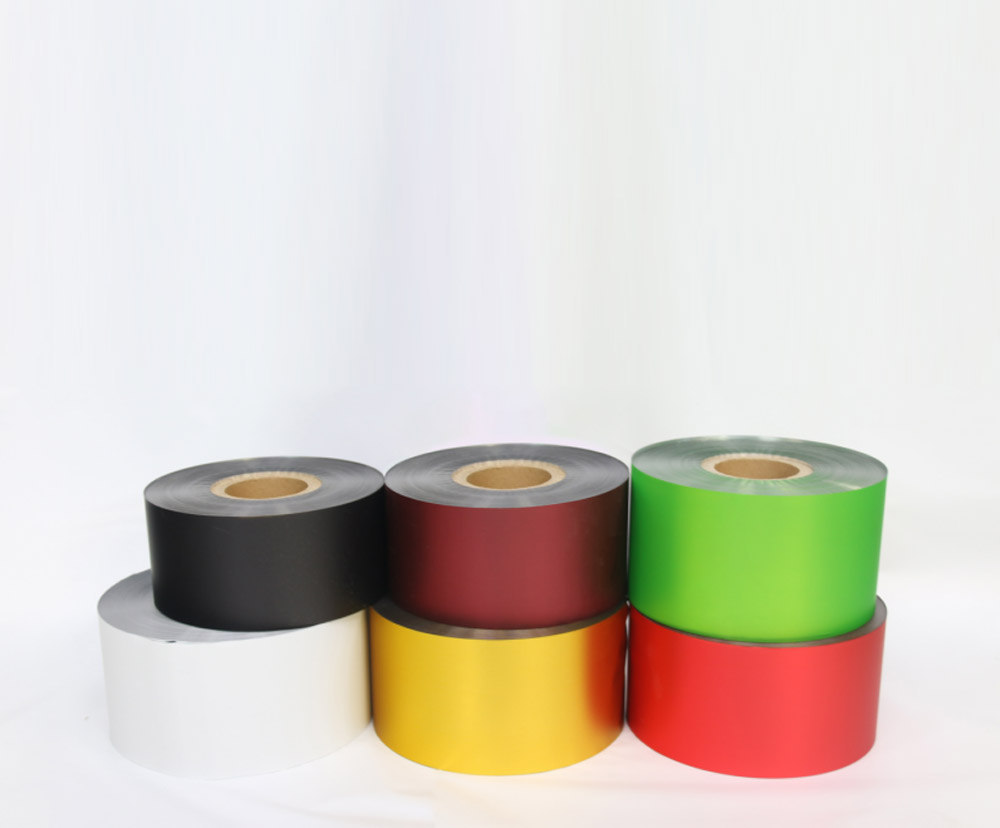
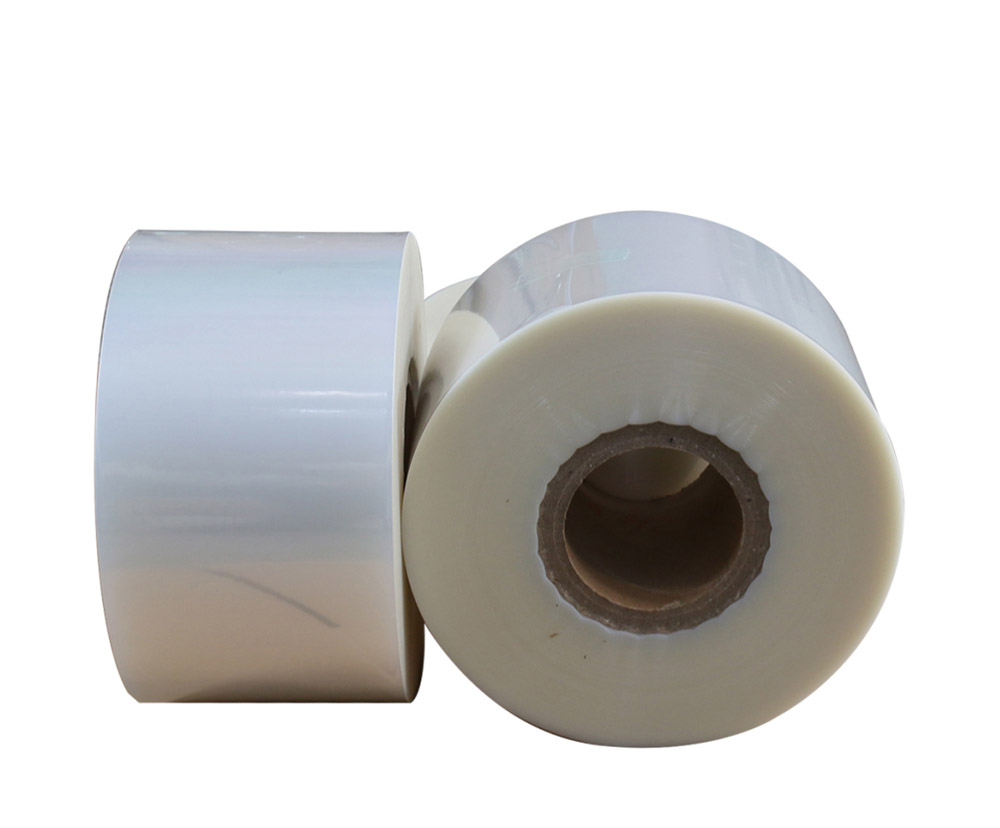
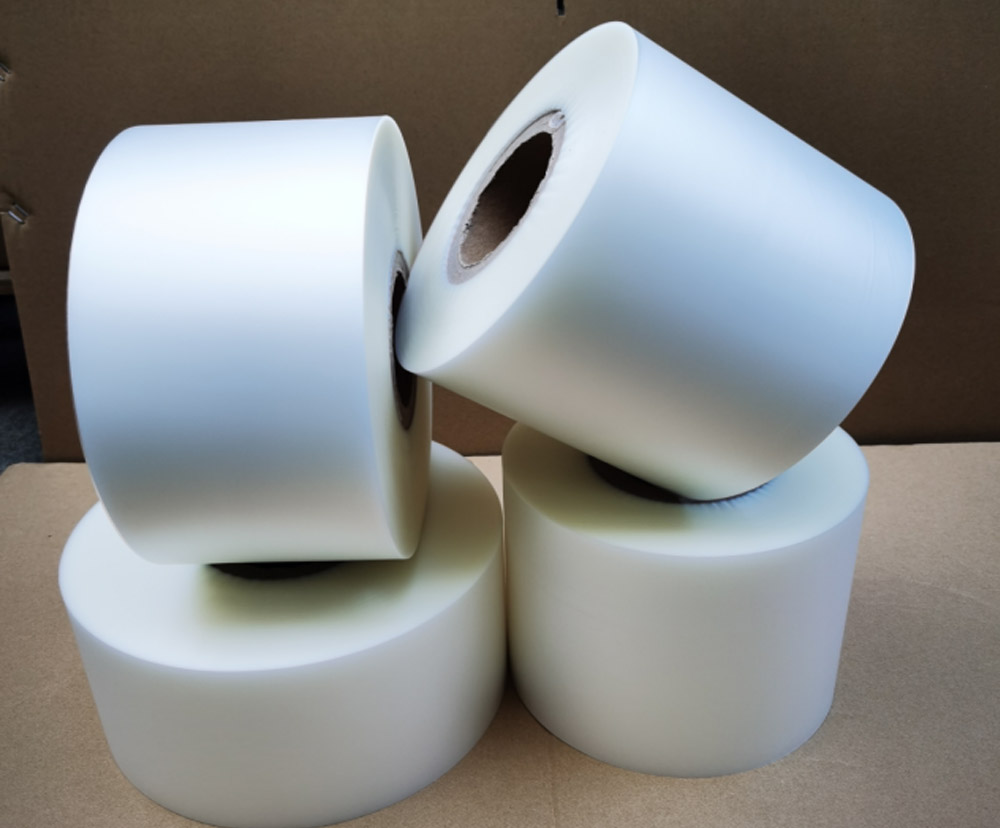
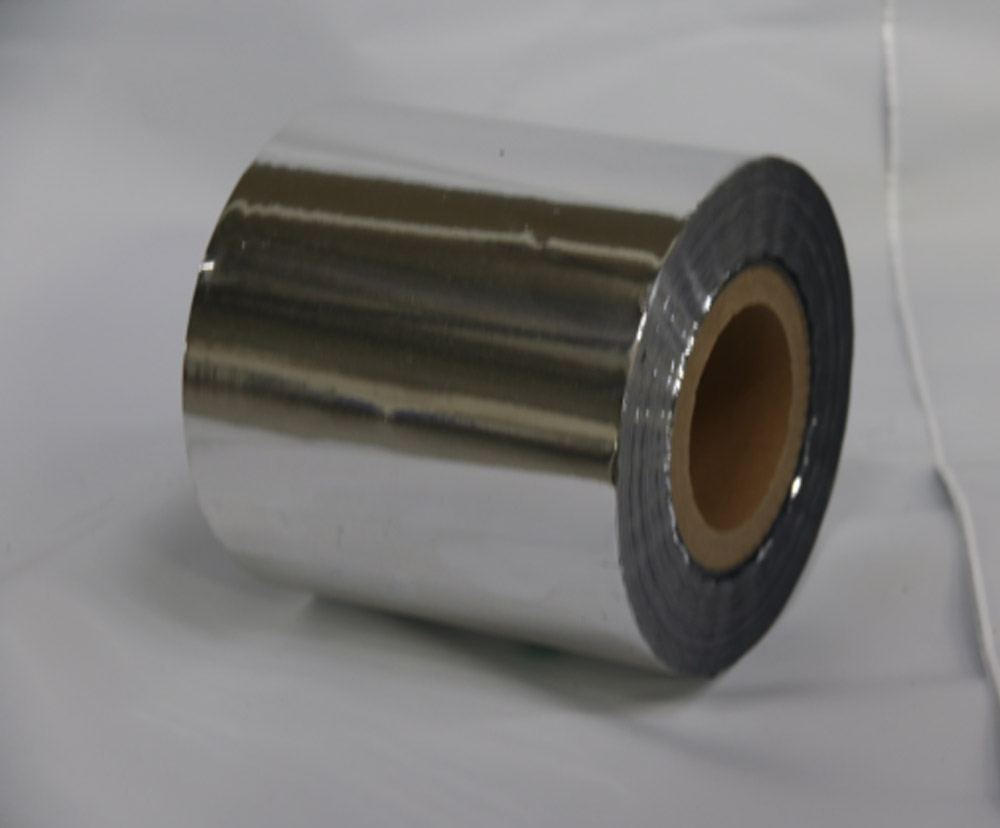
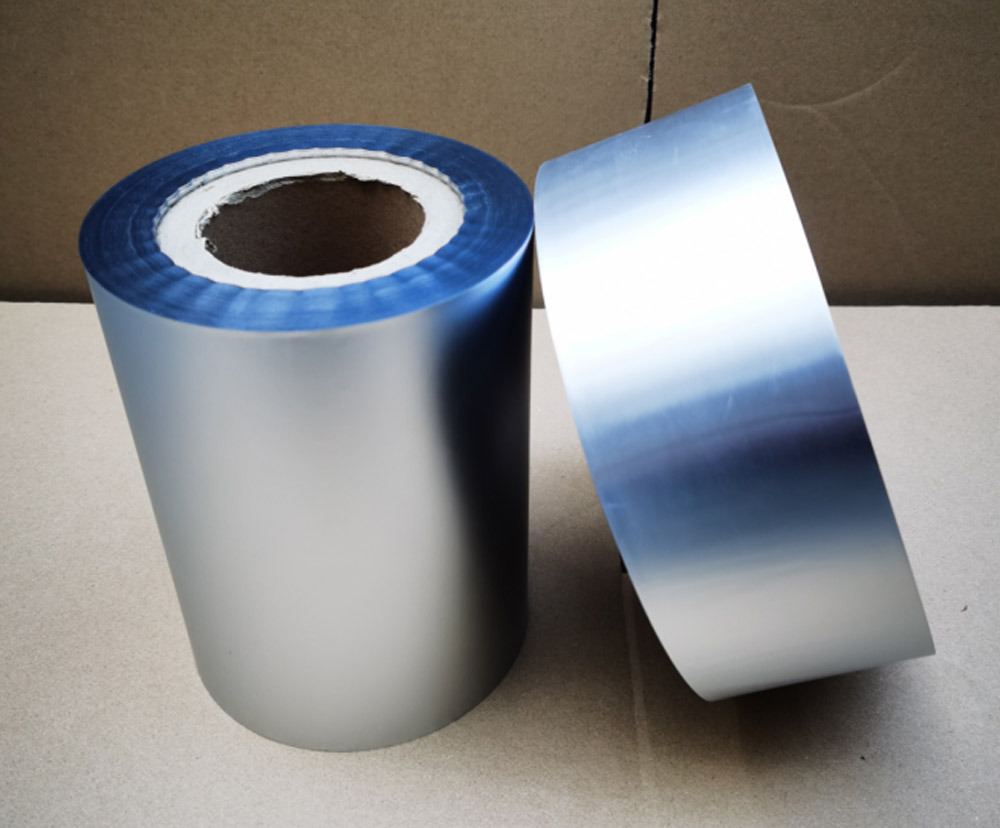
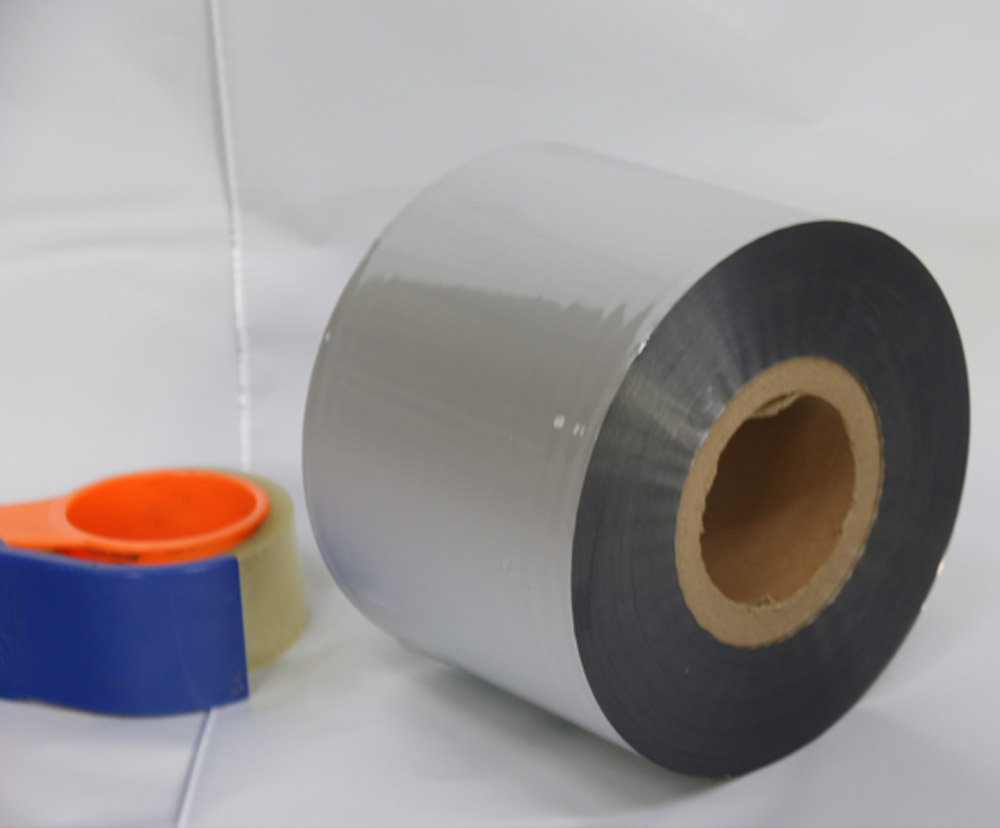
Roll film is the format that decides whether a packaging line runs at its rated speed. The printer controls the print, but the film has to do three other things on the machine: track straight, slip predictably over the forming shoulder, and seal within the dwell time the line actually gives it.
We print roll stock on 9-colour gravure in Anxi, Fujian, and laminates it in-house, so print, structure and seal layer are set together rather than assembled from three suppliers. The range covers the structures used on vertical and horizontal form-fill-seal machines for snacks, frozen food, powders, pet food and household products.
Where roll film fails on the line
- Repeat length drift — the eye mark and the print register drift apart over a long run, and the bag length starts to wander. It is a printing and slitting tolerance issue, not a machine issue.
- Coefficient of friction — too high and the film drags on the forming tube; too low and the web wanders. Both show up as seal wrinkles, not as a film complaint.
- Seal contamination — a seal layer that is too thin for the fill lets powder or grease into the seal window, and the leak appears at the pallet, not at the machine.
- Curl — asymmetric structures curl after lamination; the web then mis-tracks at speed.
What to send with the enquiry
Machine type and model, bag width and length, film width and core diameter, the fill, the target pack weight, the seal conditions the machine can deliver, and the food-contact market the pack is sold in. From that, the structure and the print repeat are proposed; the trial roll comes before the production order.
Structures we run
PET//PE and PET//CPP for general food and household; PET//VMPET//PE for snacks and coffee; PET//AL//PE where the barrier requirement is real; nylon-based structures where puncture and flexibility matter (frozen, vacuum, bone-in products); mono-PE and mono-PP for recyclability. The structure is confirmed per project, not per catalogue.
Print and finish
Up to nine colours, gravure, with matte, gloss, registered matte-gloss and cold-seal finishes. Matte varnish over a metallised surface is the finish most often specified for premium pet food and coffee, and it is the finish where print quality differences between suppliers are most visible.