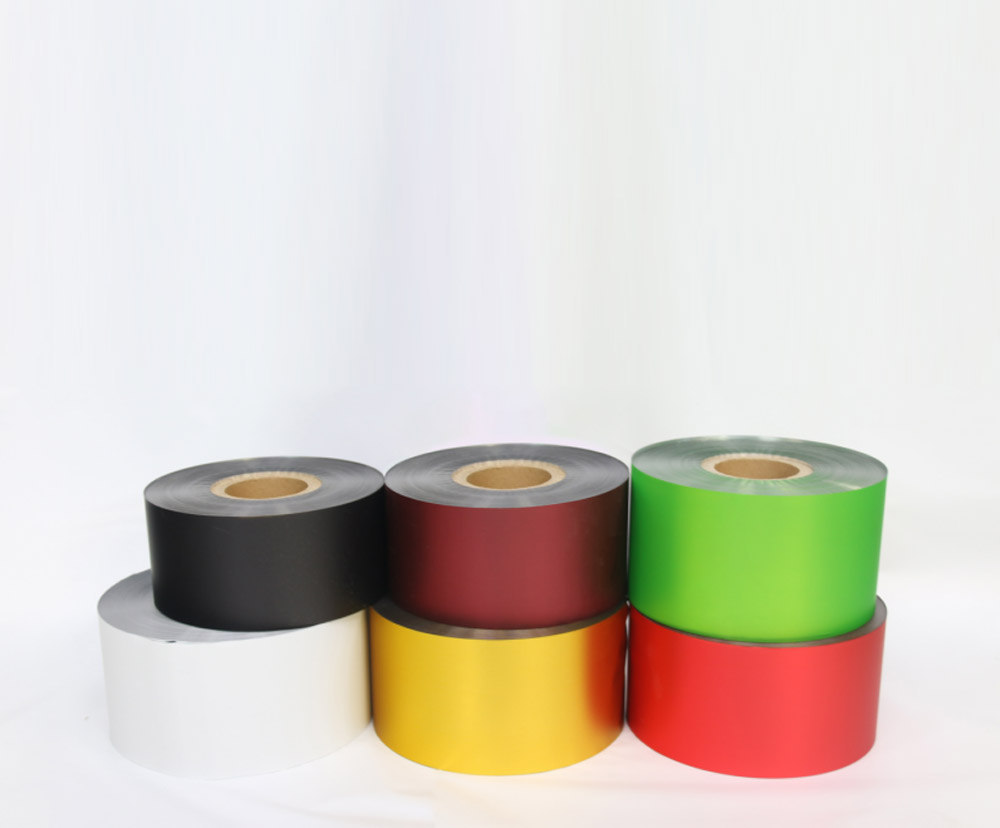
Most roll film enquiries arrive with two numbers: bag width and a target price. Neither is enough to quote, and the reply that follows — a range of structures and a request for more detail — is the reason the first three weeks of a packaging project are usually spent clarifying rather than sampling.
This is the list of what actually determines the quote, in the order it matters.
1. Machine type and model
Vertical form-fill-seal, horizontal flow-wrap, doypack machine and sachet machine all impose different demands. A VFFS machine with a long forming tube needs a stiffer film and a lower COF than a flow-wrapper running the same structure. The model matters because seal dwell, jaw pressure and film path length are machine-specific.
2. Bag dimensions, including the seal
Width, length and gusset, plus the seal width. A 200 mm bag with a 10 mm seal and a 200 mm bag with a 25 mm seal are different film widths, and the difference is the print repeat.
3. Film width and core
Web width, core diameter (76 mm or 152 mm), and maximum roll diameter the machine can take. A roll that is too large for the unwind stops the line more often than a film defect does.
4. The fill
Product type, weight, fat and moisture content, pH, particle size and temperature at packing. A hot-fill product narrows the seal layer choice immediately; a fatty product changes the adhesive and the print protection.
5. Seal conditions the machine can deliver
Temperature range, dwell time and pressure. This is the single most useful piece of information a customer can send, because a structure that seals at 140 °C for 0.4 s is a different laminate from one that needs 180 °C.
6. Barrier target, expressed as shelf life
"Good barrier" is not a specification. Twelve months against oxygen ingress at 25 °C and 60% RH is. From the target, the structure follows; from a material name, it does not.
7. The market's food-contact regulation
FDA for the United States, EU 10/2011 for Europe, GB 4806 for China, plus whatever the retailer adds. The declaration of compliance has to name the structure actually supplied, so this is decided before the laminate, not after.
8. Print: colours, finish and where the eye mark sits
Up to nine colours on gravure, with matte, gloss or registered combinations. The eye mark position relative to the print sets the bag length the machine cuts to; if it moves after approval, every roll is wrong.
What happens after the enquiry
With those eight answers, a structure is proposed with a thickness, a seal layer and a repeat length, and a trial roll is printed. The trial is run on the customer's machine, not on a lab sealer, because the machine is where the film either tracks or does not.
The most common cause of a failed first trial is not the film. It is a seal condition the customer described from the machine manual rather than from the machine.
What the machine does to the film
Three machine behaviours are worth understanding before the structure is chosen, because each one turns a film that looks fine on a sample into a film that fails at speed.
Forming. On a vertical machine the film is pulled over a shoulder that turns a flat web into a tube. Stiffer films resist wrinkling there; softer films conform but fold more easily. A mono-PE structure that behaves perfectly on a lab sealer will often wrinkle at the back seal on a machine set up for a PET laminate.
Pulling. The film is indexed by belts or rollers, and the force is transmitted through the film itself. A film with a low tensile modulus stretches under that force, and the print repeat drifts over a long run — which is why repeat length is specified as a tolerance rather than a number.
Sealing. The jaws close for a fixed dwell at a fixed temperature. Food, powder or grease in the seal window reduces the effective seal strength, and a seal layer that is too thin for the contamination level will leak regardless of jaw settings.
A worked example
A 250 g ground coffee pack on a VFFS machine with a 180 mm bag width, a 10 mm seal and a degassing valve. The fill is fatty and aromatic, the market is the EU, and the shelf life target is nine months.
The structure that follows: a foil or high-barrier metallised laminate for the oxygen target, a seal layer rated for fatty fills, and a valve specified with the laminate because the valve patch changes the web path. The print is matte over the metallised surface, approved on a production proof. The trial roll is 500 m, run at the line's normal speed, and the seal strength is checked every 500 packs.
What would change that answer: a shorter shelf-life target would allow a metallised structure without foil; a recyclable requirement would push toward mono-PE and a shorter shelf life; a retort step would eliminate most of the options above.
Approval mistakes that cost a reprint
- Approving colour from a screen proof. Metallised and foil substrates shift colour; the only valid approval is a printed proof from the actual press.
- Changing the eye mark after approval. The eye mark sets bag length; moving it invalidates every roll already printed.
- Specifying the seal width after the artwork. Seal width takes print area away, and artwork designed to the trim edge loses a line of copy.
- Forgetting the valve or zipper in the repeat calculation. Both consume film length and change where the print can sit.
None of these are technical problems. They are sequencing problems, and they are the reason a first order takes longer than a repeat.