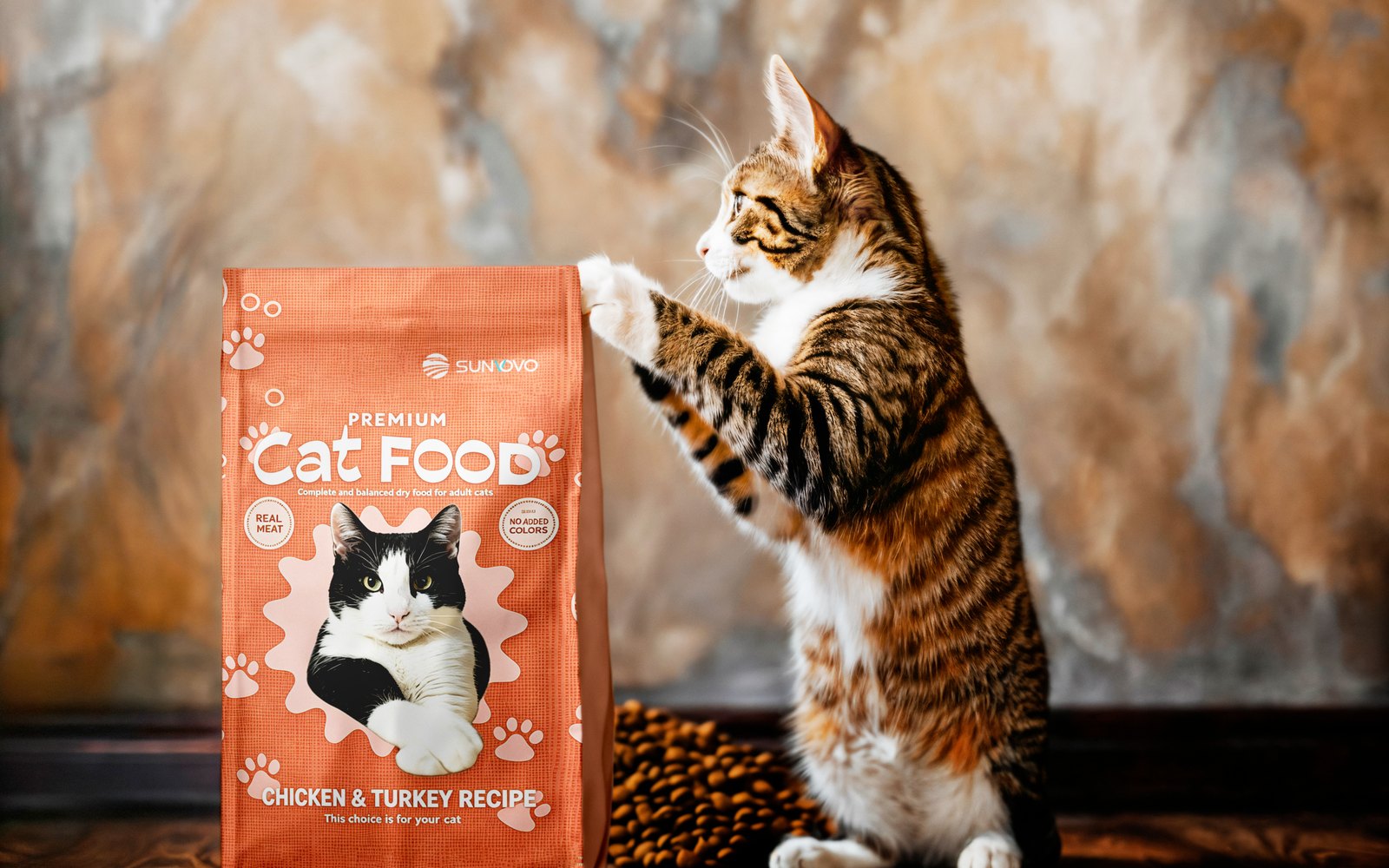
A pet food bag that delaminates at the seal is usually described as a "bad lamination". In most cases the lamination was fine when it left the plant, and three other things happened afterwards.
Mechanism one: fat migration
Kibble carries fat on the surface, and fat moves. It migrates through the seal layer, into the adhesive, and along the bond line — slowly at ambient temperature, faster in a warm warehouse. When it reaches the adhesive it plasticises it, and the bond strength falls. The failure appears as a clean peel at the seal edge, months after packing.
The fix is structural: a seal layer with adequate fat resistance, an adhesive selected for fatty fills, and — where the shelf life is long — a barrier layer between the product and the adhesive rather than relying on the sealant alone.
Mechanism two: seal contamination
Powder and fat dust settle in the seal window during filling. A seal made across contamination is a seal with a channel in it, and the channel is where the delamination starts. This is a filling-line issue more often than a film issue, but the film can help: a thicker seal layer tolerates more contamination before the seal fails.
Mechanism three: flex cracking
A 10 kg bag flexes every time it is handled, and a foil or metallised layer cracks at the fold lines. Once the barrier is broken, moisture reaches the adhesive and the seal area, and the failure follows. Gelbo-flex testing on the finished laminate predicts this better than any flat-sample barrier number.
What to specify to avoid all three
- A seal layer matched to the fat content, not to the price target.
- An adhesive rated for fatty fills, with the bond strength tested after accelerated ageing.
- Gelbo-flex data on the finished structure, at the thickness actually supplied.
- A filling-line audit: seal jaw condition, contamination control, and a seal-strength check at the start of every shift.
The test that settles arguments
Store a filled bag at 40 °C for four weeks, then peel the seal by hand. If it opens with fibre tear, the structure is right. If it opens cleanly, the adhesive or the seal layer is wrong for the fill — and no amount of process adjustment will fix a material choice.
How to tell the three mechanisms apart
The failure looks the same from the outside — a seal that opens cleanly — but the three causes leave different evidence.
- Fat migration. The bond line is intact but soft; the peel is smooth and the film surfaces are greasy. It appears weeks to months after packing, and worsens in warm storage.
- Seal contamination. The failure is localised, usually at the fill end, with visible product trapped in the seal. It appears immediately at the seal-strength check rather than later.
- Flex cracking. The barrier layer is broken at the fold, and the delamination radiates from the fold line rather than from the seal itself. It correlates with bag size and handling, not with product type.
Cutting a failed bag open and looking at where the peel starts tells you which of the three you are dealing with, and therefore which supplier conversation to have.
Choosing the seal layer for a fatty fill
The seal layer has to do two jobs that pull against each other: seal at a temperature the machine can hold, and resist fat for the shelf life. Standard LDPE seals easily and resists fat moderately; metallocene grades seal at lower temperatures with better hot-tack but cost more; ionomer seal layers resist fat and contamination best and are the usual answer for large kibble bags where the cost per pack is small relative to the risk.
The honest test is not a data sheet number but a stored sample: fill a bag, hold it at 40 °C for four weeks, then peel. A clean peel means the seal layer is wrong for that fill, whatever the specification says.
What to ask a supplier before the first order
- Which seal layer is proposed, and why it suits this fat content.
- Whether the bond strength was tested after accelerated ageing or on a fresh sample.
- Gelbo-flex data at the supplied thickness, if the structure contains foil or metallised film.
- What seal contamination the layer tolerates, expressed as a fill condition rather than a percentage.
- Whether the retained sample from the production run is kept, and for how long.
A supplier who answers these five without hesitating has made large pet food bags before.
Prevention belongs in the drawing, not the inspection
Seal failures are usually treated as a quality problem, which means they are chased with inspection. The three mechanisms above are design problems: they are decided by the seal layer, the adhesive and the base construction, long before a bag exists. A drawing review at the specification stage is cheaper than a pallet claim six months later, and it is the step most projects skip because the previous pack "worked fine".
That phrase is the warning sign. A pack that worked for a 4 kg bag in a temperate market is not evidence for a 12 kg bag in a humid one.